


The GCC Home Entertainment Market Is Expected To Grow To USD 8.9 Billion By 2034
The Gulf’s rapid digital transformation is changing from what consumers buy to what they expect in the technology they bring into their homes.
With internet penetration reaching 99% in Saudi Arabia and consumers increasingly relying on digital services, streaming platforms and connected devices, the region has become one of the world’s most digitally engaged markets.
At the same time, entertainment consumption continues to grow in importance across the GCC. Saudi Arabia’s Vision 2030 aims to increase household spending on culture and entertainment from 2.9% to 6%, reflecting a broader shift toward experience-led lifestyles and digital entertainment.
With these shifts in mind, global brands are increasingly recognising that success in the region requires beyond introducing international products into GCC markets. Instead, companies are adapting technology experiences to reflect local consumer preferences, languages, content habits and cultural behaviours.
This shift is particularly visible through in-home entertainment, where consumers are navigating a growing ecosystem of streaming platforms, gaming services and smart home technologies. Industry forecasts show the GCC home entertainment market is expected to grow from USD 4.6 billion in 2024 to USD 8.9 billion by 2034, driven by demand for connected and immersive entertainment experiences.
As entertainment ecosystems become increasingly fragmented, consumers are looking for simpler and more intuitive ways to discover content, manage connected devices and personalise their viewing experiences. This is encouraging technology companies to move beyond traditional localisation such as simple language translation and instead build features designed around regional user behaviour.
Examples include Arabic-language interfaces and voice search capabilities, local content recommendations, smart home integration and mobile applications that consolidate entertainment experiences into a single ecosystem.
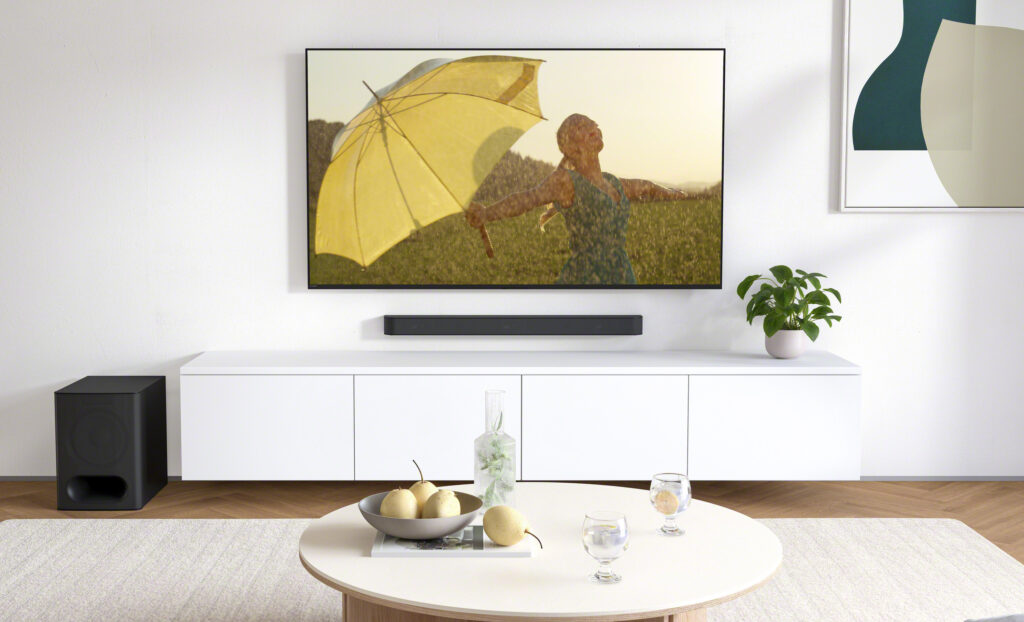
The trend also reflects broader cultural shifts across the Gulf. In many households, entertainment remains a shared experience centred around family gatherings and communal viewing. As demand for premium sports viewing, gaming and streaming content increases, larger-format televisions and connected home entertainment setups are increasingly becoming focal points within living spaces.
Commenting on this evolution, Jobin Joejoe, Managing Director, Sony Middle East and Africa, said: “Consumers in the GCC are among the most digitally connected and engaged audiences in the world. As entertainment habits evolve, we are seeing growing demand for experiences that feel more intuitive, personalised and locally relevant. This is why localisation today goes beyond campaigns; it includes how people discover content, interact with devices and integrate technology into their daily lives. The future of home entertainment will be shaped not only by innovation, but by how effectively brands adapt those innovations to the needs of local consumers.”
As GCC consumers continue to embrace connected entertainment ecosystems, localisation is increasingly becoming a competitive differentiator. For global brands, the focus is shifting from delivering the same experience everywhere to creating experiences that feel genuinely relevant to the people using them.







 Email: info@cyber-gear.com